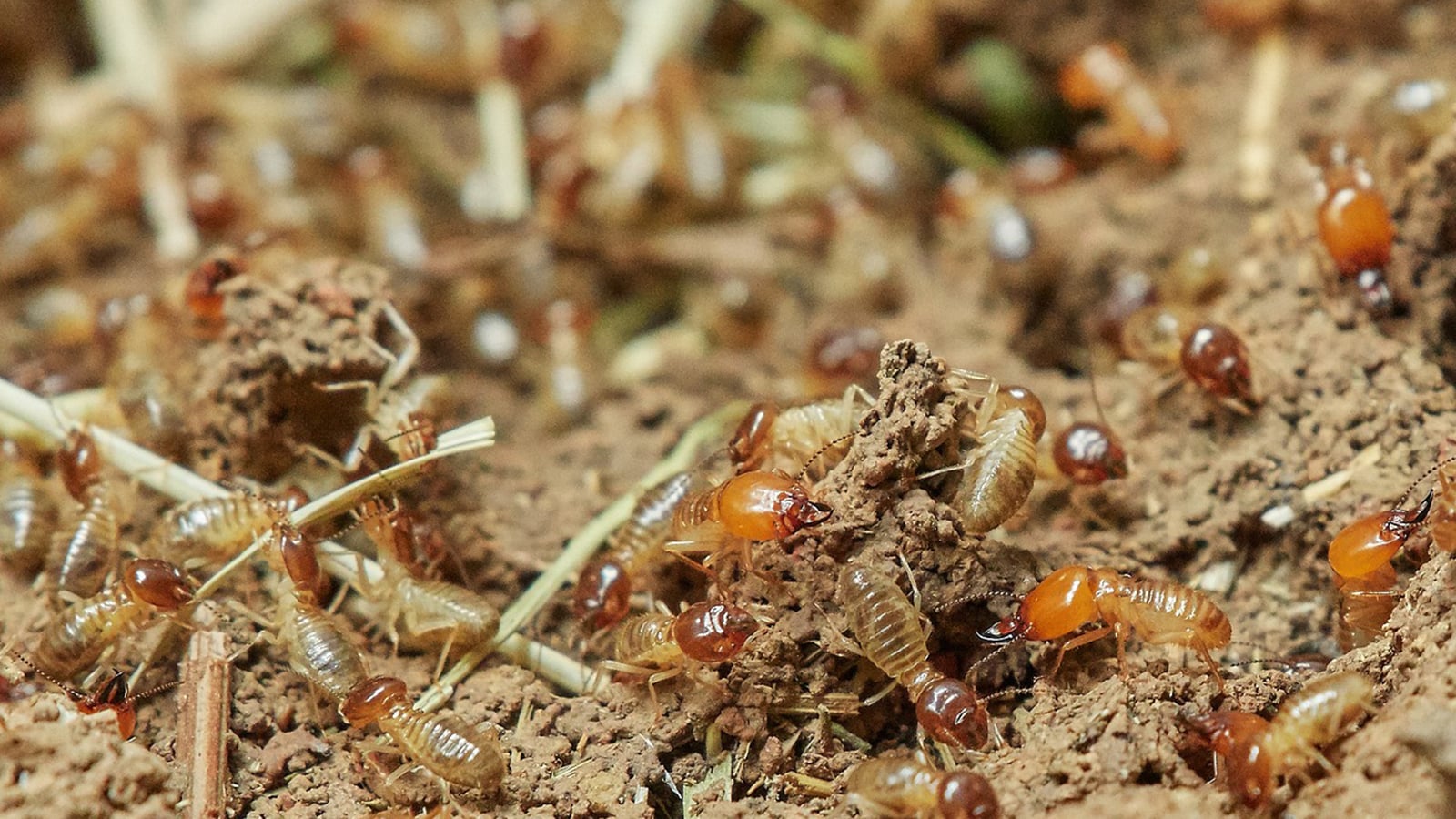


Most Tallahassee homeowners know that termites are something we have to deal with. The warm temperatures, moisture, and abundance of wood make North Florida the perfect environment for subterranean termites. However, many homeowners don’t realize that there is actually another species of termite and it happens to be much more destructive. The Formosan subterranean termite isn’t just a termite you hear about in South Florida or New Orleans. Formosan termites are established in many areas of Florida and have been found right here in Tallahassee. In fact, the Florida Department of Agriculture and Consumer Services actively monitors Formosan termite activity in Leon and Wakulla counties.
What’s the big deal?
The Formosan subterranean termite is an invasive termite originally from Asia. Like the Eastern subterranean termites that we commonly encounter in Tallahassee, Formosans also live underground and travel through the soil searching for wood and other cellulose materials. One of the biggest differences is the size of the colony. An Eastern subterranean termite colony typically ranges from 50,000 to several hundred thousand whereas a Formosan termite colony can contain millions of termites. When you combine a colony that large with extremely aggressive foraging behavior, you get a termite capable of causing extensive structural damage.
Are Formosan Termites Really Worse Than Native Subterranean Termites?
Absolutely. The difference with Formosans is the sheer size and aggressiveness of a mature colony. A mature Formosan colony can contain millions of termites constantly searching for new food sources. Once they establish themselves around a structure, they have the potential to consume a tremendous amount of wood. Just imagine the difference between tens or hundreds of thousands of termites eating your house compared to what would happen if there were millions of termites. The damage will compound much faster with a Formosan colony and if not spotted early repairs can cost you over ten thousand dollars with severe cases going up to the forty to sixty thousand dollar range.
Formosan Termites Can Establish Nests Above the Ground
Another characteristic that makes Formosan termites concerning is their ability to form a nest above ground. Like other subterranean termites, Formosans maintain a relationship with moisture and the soil. However, they can also build what are known as carton nests. These nests can become established inside walls, attics, trees, and other protected locations if given enough moisture. Think about a roof leak, plumbing leak or another continuously damp area inside a structure. Now combine moisture with wood and a hidden area that isn’t regularly inspected and you can see why these termites can become such a serious problem before anyone realizes they’re there.
Formosan Termites Are Already in the Tallahassee Area
The Florida Department of Agriculture has conducted Formosan termite surveillance in Leon County for years. The state monitors winged reproductive termites, known as alates or swarmers, during their major swarming period. Formosan termites typically swarm during warm evenings in the spring and early summer and are strongly attracted to lights. A large swarm around exterior lights doesn’t automatically mean your house is infested, because the termites could be coming from a nearby colony. However, finding large numbers of Formosan swarmers inside your home is something that deserves immediate attention.
How Can You Tell a Formosan Termite from a Regular Subterranean Termite?
To the average homeowner, a termite usually just looks like a termite. There are physical differences between Formosan and native subterranean termites, particularly when looking at soldiers and swarmers, but identifying termite species isn’t something we recommend homeowners try to determine from an internet picture. If termites are found during an inspection or treatment, knowing exactly what species you’re dealing with helps determine the extent of the concern and how the property should be managed. That’s particularly important now that invasive termite species continue to spread throughout Florida.
Why Annual Termite Inspections Are So Important
One of the biggest problems with termites is that they don’t need your permission to enter your home and they don’t announce themselves when they arrive. Termites can feed inside walls, underneath flooring, around plumbing penetrations, behind exterior finishes and in other areas homeowners rarely see. By the time obvious damage becomes visible, the infestation may have been present for quite some time. With Formosan termites, early detection becomes even more important because of their colony size and destructive capability. That’s why we recommend having your home inspected regularly even if you haven’t noticed any obvious signs of termite activity. You don’t want the first indication of a termite problem to be damaged wood.
What Can Tallahassee Homeowners Do?
Start by reducing the conditions around your home that termites like. Keep gutters clean and direct water away from the foundation. Repair plumbing and roof leaks. Avoid wood-to-soil contact around the house. Don’t pile firewood, lumber or other cellulose materials against the structure. Be careful with excessive mulch against the foundation and address areas around the home that remain constantly damp. Most importantly, don’t assume that because you’ve never had termites before, you won’t have them in the future. Termite pressure is simply part of owning property in Florida.
Regardless of the species, Termites Aren’t Something to Ignore
At 1st Choice Pest Services, we’ve been protecting Tallahassee-area homes from termites since 2007. We provide termite inspections, termite treatments and termite protection programs designed to identify problems and help protect your home from future termite damage. Formosan termites have added another reason for Tallahassee homeowners to take termite protection seriously. If you’ve noticed mud tubes, damaged wood, termite swarmers or anything else that makes you question whether termites may be present don’t wait until you see visible damage get worse. Give us a call so you can find out exactly what you’re dealing with before it’s too late.